Ricardo Rojas
backend / full-stack engineer·apis, automation, system design
selected projects
CFDI Inspector
Context
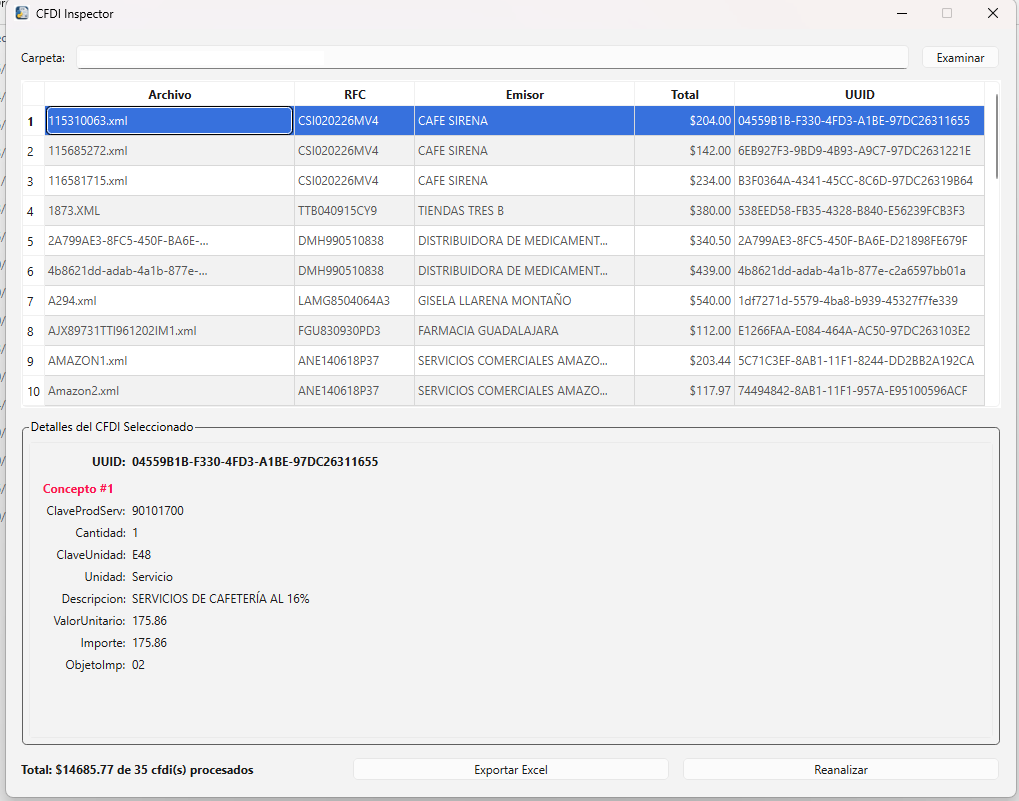
Desktop application to view invoices. CFDI 4.0 compliant. A small utility I created for myself. Planing to extend its features into a more premium version.
Architecture Overview

Features
- Load invoices data.
- Display their concepts.
System Key Decisions
- Make it as performant as possible with workers.
- Package the application into an exe.
- Qt widgets for a more modern look and feel over tinker.
- Make it work offline.
Screenshot
Price Stream; Concurrent price ingestion platform
Context
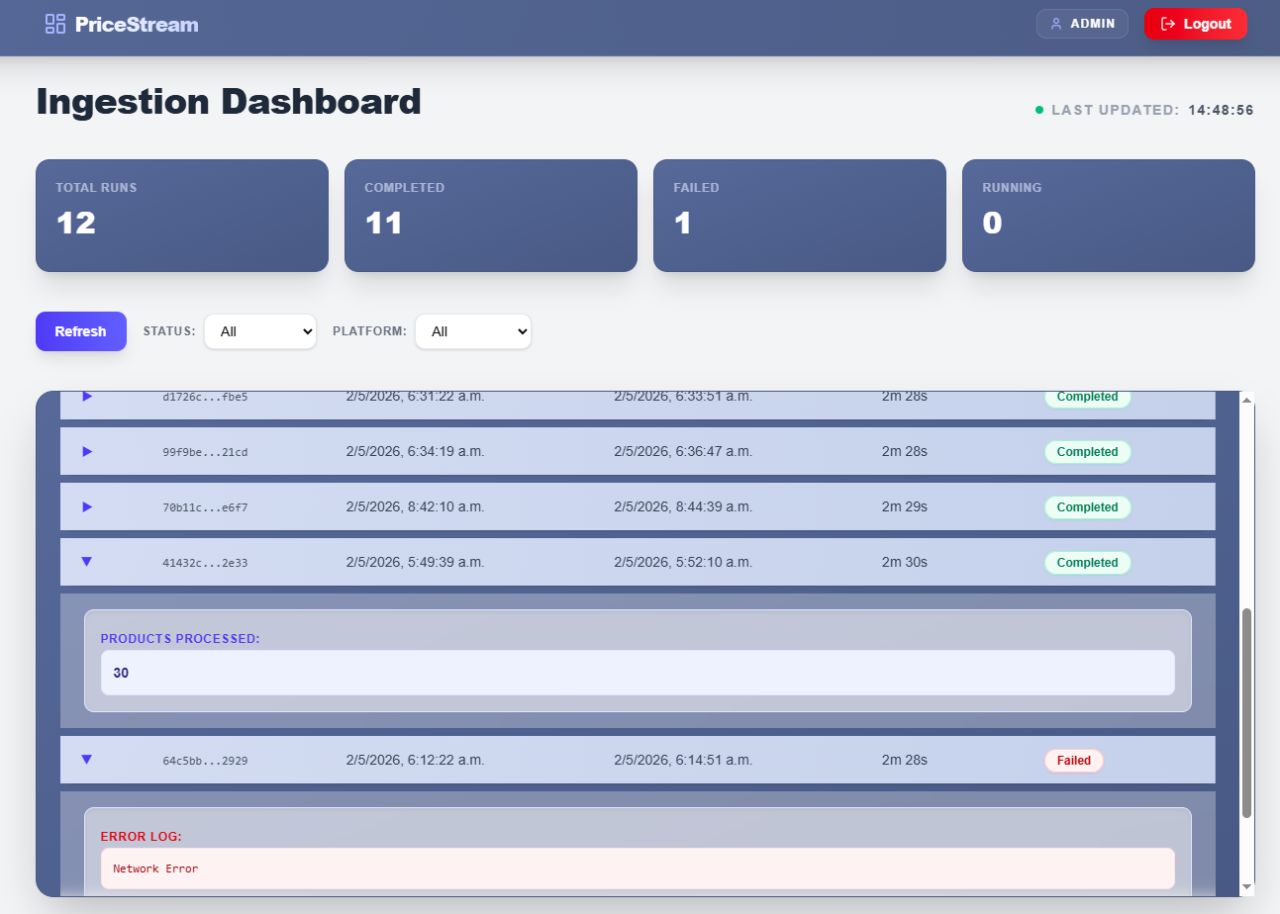
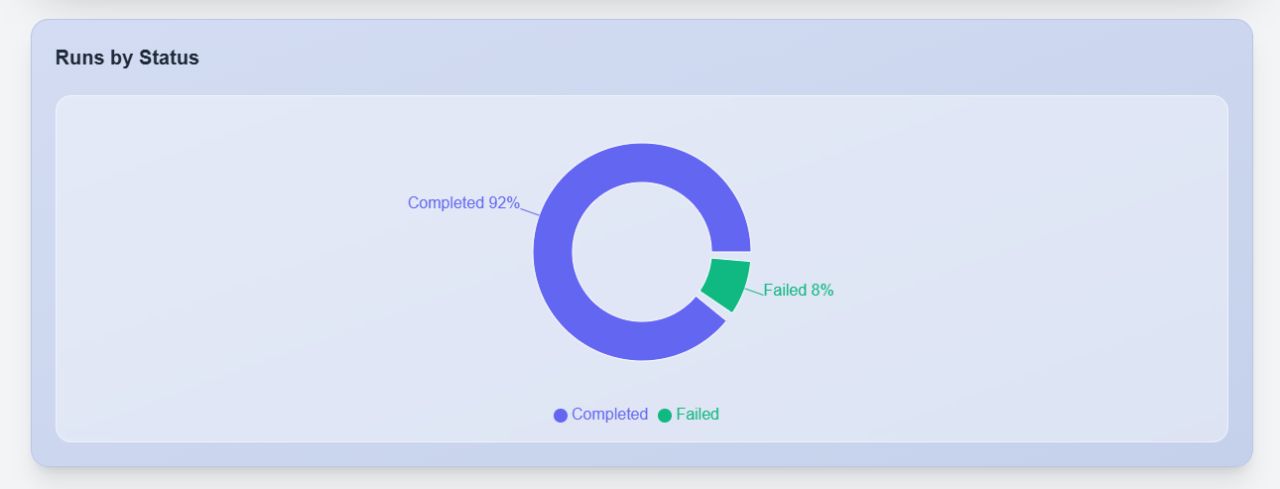
Price Stream is a modular Scala backend service for concurrent price ingestion and historical price tracking across multiple platforms. It exposes operational endpoints for ingestion runs and metrics dashboard visualization.
Architecture Overview

Features
- Ingestion service on startup and scheduled
- Decoupled service from backend and frontend
- FastAPI as api gateway to the service
- JWT auth
System Key Decisions
- Explicit resource lifecycle management
- Ingestion runs on fibers
- Graceful shutdown
- Concurrent provider processing
- Observability through dashboard
- React as frontend for dynamic user interfaces
- PostgreSQL as a reliable database
Screenshot
CobraGen; CLI Tool to defeat Django's boilerplate
Context
CLI tool to generate Django models from a yaml file.
Architecture Overview
  ____      _               ____
/ ___|___ | |__  _ __ __ _ / ___| ___ _ __
| |   / _ \| '_ \| '__/ _` | |  _ / _ \ '_ \
| |__| (_) | |_) | | | (_| | |_| |  __/ | | |
\____\___/|_.__/|_|  \__,_|\____|\___|_| |_|
Features
- Good performance
- Takes input from a yaml file
- 1 single dependency
System Key Decisions
- Picked yaml over json or xml formats as it's easier to read by humans
- Picked Django models as output in order to reduce boilerplate
Usage
Input:
models:
  - name: UserProfile
    fields:
      - name: username
        type: Char
        maxLen: 50
        unique: true

      - name: bio
        type: TextField
        required: false

      - name: age
        type: Integer

      - name: balance
        type: Decimal
        maxDigits: 12
        places: 2

      - name: created_at
        type: DateTime

      - name: is_verified
        type: Boolean

  - name: Post
    fields:
      - name: author
        type: ForeignKey
        to: UserProfile
        onUpdate: CASCADE

      - name: title
        type: Char
        maxLen: 200

      - name: content
        type: TextField

      - name: published_date
        type: Date
        required: false
Output:
from django.db import models


class Post(models.Model):
    author = models.ForeignKey("UserProfile", on_delete=models.CASCADE)
    title = models.CharField(max_length=200)
    content = models.TextField()
    published_date = models.DateField(null=True, blank=True)

class UserProfile(models.Model):
    username = models.CharField(max_length=50, unique=True)
    bio = models.TextField(null=True, blank=True)
    age = models.IntegerField()
    balance = models.DecimalField(max_digits=12, decimal_places=2)
    created_at = models.DateTimeField()
    is_verified = models.BooleanField()
KanbAnpp; Kanban Web Application

Context
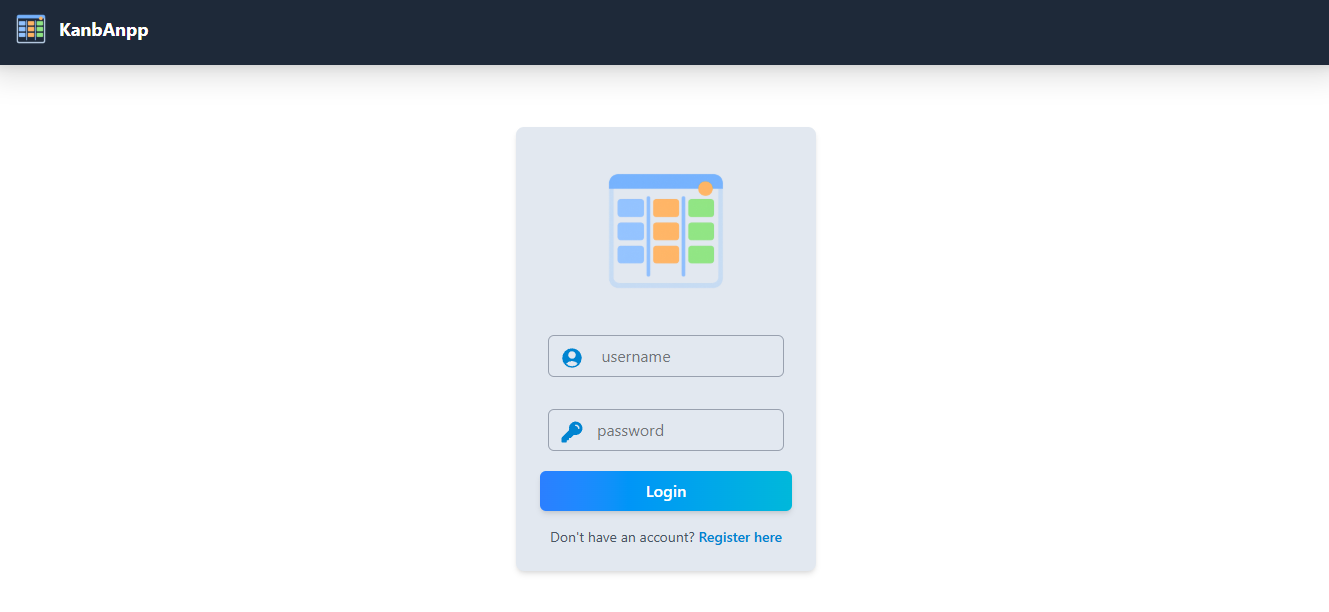
A web-based Kanban application designed to support collaborative task management with real-time updates and role-based access control.
Architecture Overview

Features
- Real time updates
- Attachments
- Tags
- Roles
- JWT authentication
System Key Decisions
- Django + DRF for backend, and quick REST API development
- Serializers for data validation and transformation
- JWT authentication for stateless API usage
- WebSockets for collaborative real-time updates
- Daphne chosen for simplicity; Nginx + Uvicorn planned when horizontal scaling becomes necessary
- React as frontend for dynamic user interfaces
- TanStack Query for data fetching and caching
- Pytest for testing
- SQLite for quick prototyping
Screenshot
SessionBook; Clean Architecture REST API

Context
Inspired by my hobby as a guitarist when practicing songs. It's used to track progress of songs you want to learn. A web application exposing a REST API designed following clean architecture principles, with strong separation between domain, application, and infrastructure layers.
Architecture Overview

Features
- Guitar tab scraping
- Song practice catalogue
- JWT authentication
System Key Decisions
- Spring Boot for a robust and scalable backend framework
- Explicit layering to enforce separation of concerns
- DDD for clear domain modeling
- DTO pattern to decouple domain models from API representations
- Async for scraping guitar tabs and heavy lifting tasks
- JWT authentication for stateless clients
- MySQL for relational data storage
- React for building user interfaces
- TypeScript for frontend development
DevEnvCheck; Windows Developer Environment Auditor

Context
A lightweight Java-based CLI tool built after a real recovery incident to diagnose, audit, and validate Windows developer environments. Designed to quickly identify missing tools, broken PATHs, and misconfigured environment variables during onboarding or incident response.
Features
- Detect installed developer tools and SDKs
- Version detection via CLI or file metadata
- Recursive project type scanning (Node, Java, .NET, Python)
- Safe cleanup of
node_modulesdirectories - Environment variable diagnostics
- Exportable audit reports
Key Decisions
- Java 8 for maximum compatibility with enterprise environments
- PicoCLI for composable subcommands and argument parsing
-
Windows-native tooling (
where,wmic, filesystem probing) instead of fragile heuristics - File metadata inspection for GUI tools without CLI version flags (Visual Studio, SSMS)
- Defensive execution model, avoids launching GUI applications or modifying system state
Usage
clean-node-modules path #asks for confirmation y/N before deleting
clean-node-modules path --silent #no confirmation
clean-node-modules path --dry-run #lists what would be deleted but doesn't delete
check-installation
scan-projects path
env-check pathKeyScala; Secure CLI Password Manager
Context
Type-safe CLI password manager focused on security and correctness, using modern cryptographic methods.
Architecture Overview

Features
- Simple CLI usage
- AES/GCM encryption
- Custom serialization
Key Decisions
- AES/GCM for authenticated encryption
- Secure key management practices
- Domain-driven modeling to avoid invalid states
- Minimal dependencies for portability
Usage
# Add an entry
sbt "run --add example.com mykey"

# Edit an entry, you will be prompted for a password again
sbt "run --edit example.com mykey"

# Delete an entry
sbt "run --del example.com mykey"

# List all entries
sbt "run --list"

# Search for an entry (password copied temporarily to clipboard)
sbt "run --search mykey"

# Display help
sbt "run --help"AssetFLOW; Asset Transformation Library

Context
Scala library focused on scalable image transformations, including format conversion, thumbnail generation, palette extraction and preprocessing for OCR pipelines.
Architecture Overview

Features
- Thumbnail generation
- OCR preprocessing fixes
- Image transformations
- Palette extraction
- Web image guidelines reference
Key Decisions
- Strong DDD principles for clear domain modeling
- Functional programming principles for composable transformations
- Modular design for easy extension with new transformations
Usage
//helpers
Pipe()
  .from("in")
  .to("out")
  .inspect("after load") { img =>
    println(img.width, img.height)
  }
  .step(TransformationStep("grayscale", OCR.grayscale))
  .inspect("after grayscale") { img =>
    println("ok")
  }
  .dryRun()

Batch()
  .from("in")
  .to("out")
  .foreach("convert") { (file, out, in) =>
    ImageTransforms.convertTo(file, out, ImageTransforms.Webp)
  }.dryRun()

//folders setup
val inputDir = new File("input")
val outputDir = new File("output")
outputDir.mkdirs()

//listing images
val images = ImageTransforms.listImages(inputDir)
println(s" ${images.size} found ${inputDir.getPath}:")
images.foreach(f => println(s"  - ${f.getName}"))

//converting to webp
val webpResults = ImageTransforms.convertTo(images, outputDir, Webp)
webpResults.foreach {
  case Right(f) => println(s"WebP at: ${f.getName}")
  case Left(err) => println(s"Error: $err")
}

//making thumbnails
val thumbsDesktop = ImageTransforms.createThumbnail(images, outputDir, Desktop)
val thumbsMobile = ImageTransforms.createThumbnail(images, outputDir, Mobile)

println("Thumbnails desktop:")
thumbsDesktop.foreach {
  case Right(f) => println(s"  - ${f.getName}")
  case Left(err) => println(s"  - Error: $err")
}

println("Thumbnails mobile:")
thumbsMobile.foreach {
  case Right(f) => println(s"  - ${f.getName}")
  case Left(err) => println(s"  - Error: $err")
}

//now placeholders
val placeholders = ImageTransforms.generatePlaceholders(
  number = 3,
  width = 200,
  height = 200,
  fillColor = Some(Color.RED),
  applyBlur = true,
  outputDir = outputDir
)

placeholders.foreach {
  case Right(f) => println(s"placeholder generated: ${f.getName}")
  case Left(err) => println(s"Error: $err")
}

//test OCR preprocessing
images.headOption.foreach { imgFile =>
  println("testing ocr processing...")
  val image = ImmutableImage.loader().fromFile(imgFile)
  val processed = OCR.optimize(
    image,
    tilt = 5.0,
    contrastFactor = 1.3,
    threshold = 128,
    doBinarize = true
  )
  val (name, ext) = Common.getNameAndExtension(imgFile.getName)
  val key = Common.timestamp
  val outPath = new File(outputDir, s"${name}_$key${ext.getOrElse("")}").getPath
  processed.output(WebpWriter.MAX_LOSSLESS_COMPRESSION, new File(outPath))
  println(s"OCR processed stored at: $outPath")
}

//create a color
val redColor = RGBColor(100, 50, 200)
println(s"initial color: $redColor, hex=${redColor.toHex}")

//increase channels
val brighter = redColor.increaseAll(50, 30, -100)
println(s"adjusted color: $brighter, hex=${brighter.toHex}")

//mix 'em up
val blueColor = RGBColor(0, 0, 255)
val mixed = redColor.mixWith(blueColor, 0.5)
println(s"50% mix: $mixed, hex=${mixed.toHex}")

//from hex
val fromHex = RGBColor.fromHex("#ff00cc")
println(s"from hex '#ff00cc': $fromHex")

//random color
val randomColor = RGBColor.random()
println(s"random color: $randomColor, hex=${randomColor.toHex}")

val cmyk = CMYKColor(20, 40, 60, 10)
val rgb = RGBColor(100, 150, 200)

//increase specific channel by 10 (using currying)
val brighterMagenta = cmyk.modifyChannel(Magenta)(_ + 10)
println(brighterMagenta)

//using the shortcut increaseChannel
val brighterRed = rgb.increaseChannel(Red, 20)
println(brighterRed)

//more complex HOF: halve yellow
val lessYellow = cmyk.modifyChannel(Yellow)(_ / 2)
println(lessYellow)

WebsiteImageType.summary()
WebsiteImageType.fromName("logo_square") match {
  case Some(img) => println(s"square logo found guidelines for desktop: ${img.desktop} " +
    s" for mobile: ${img.mobile}, ratio=${img.ratio}")
  case None => println("square logo not found")
}
/*
initial color: RGBColor(100,50,200), hex=#6432C8
adjusted color: RGBColor(150,80,100), hex=#965064
50% mix: RGBColor(50,25,227), hex=#3219E3
from hex '#ff00cc': RGBColor(255,0,204)
random color: RGBColor(75,123,240), hex=#4B7BF0

Type                 Desktop (WxH)        Mobile (WxH)         Ratio
----------------------------------------------------------------------
background           2560x1400            360x640              64:35
hero                 1280x720             360x200              16:9
banner               1200x400             360x120              3:1
blog                 1200x800             360x240              3:2
logo_rectangle       400x100              160x40               4:1
logo_square          100x100              60x60                1:1
favicon              16x16                16x16                1:1
social_icon          32x32                48x48                1:1
lightbox             1920x1080            360x640              16:9
thumbnail            300x300              90x90                1:1
product_thumbnail    300x300              150x150              1:1

square logo found guidelines for desktop: 100x100  for mobile: 60x60, ratio=1:1
*/JpnUtils; Unicode-Aware Text Utilities

Architecture Overview

Context
Small, zero-dependency utility library for Japanese string handling, providing Unicode-aware and language-specific transformations.
Features
- Zero-dependency
- String transformations
Key Decisions
- Zero-dependency for easy integration
- Comprehensive Unicode support
- Focus on Japanese text processing needs
Usage
//using the JapaneseUtils singleton
println(JapaneseUtils.containsHiragana("込める")) //true
println(JapaneseUtils.containsKatakana("淋しい")) //false
println(JapaneseUtils.containsKanji("淋しい"))    //true

println(JapaneseUtils.isHiragana('込'))         //false
println(JapaneseUtils.isKatakana('淋'))         //false
println(JapaneseUtils.isKanji('い'))            //false

//using implicits

//hasX methods, works on string
println("当てのない僕は".hasHiragana)             //true
println("満月".hasKanji)                         //true
println("オカエリナサイ".hasKanji)                 //false

//isX, works on char
println('そ'.isHiragana)                       //true
println('た'isKatakana)                        //false
println('林'.isKanji)                          //true

//miscellaneous methods
val testStr = """"this is a test!? yes? it is sir.""""
val strWithReplacedPunctuation = JapaneseUtils
                                    .Punctuation
                                    .replacePunctuation(testStr)
println(strWithReplacedPunctuation)         //"this is a test!? yes? it is sir。"

//「wrap me in single quotes」 and 『wrap me in double quotes』 respectively
println(JapaneseUtils.Punctuation.wrapInSingleQuotes("wrap me in single quotes"))
println(JapaneseUtils.Punctuation.wrapInDoubleQuotes("wrap me in double quotes"))

//2025 update KanaDiacritics
//true
println("俺はテストだぞ".hasDakuten)
//true
println("いっぱいに静かがっぽい".hasHandakuten)

//カタカナ ABC123&%
val s = "カタカナ ABC123&%"
println(HalfWidthConverter.toHalfWidth(s))Chordal; Type-Safe Musical DSL

Context
A weekend project that turned into something bigger. Internal DSL for modeling harmonic structures and chord progressions, separating declarative syntax, semantics, and domain invariants.
Architecture Overview

Features
- Library support for music theory concepts
- EDSL syntax for musical expressions
- Zero-dependency for easy integration
Key Decisions
- Strong modeling for musical concepts
- Functional programming principles for composable constructs
- Type safety to prevent invalid musical states
Lessons Learned
Over-engineering DSLs too early increased cognitive load. I now bias toward simpler models and evolve abstractions only when pressure exists.
Usage
//work in progress, subject to change
val C  = Note("C")
val D  = Note("D")
val Eb = Note("Eb")

val cMajor = Triad.major(C)
val dMinor = Triad.minor(D)
val ebDim  = Triad.diminished(Eb)

println(cMajor.name) // "C"
println(dMinor.name) // "Dm"
println(ebDim.name)  // "E°"

println(cMajor.asNotes) // List(C, E, G)
println(dMinor.asNotes) // List(D, F, A)

val csus2 = cMajor.sus2
val csus4 = cMajor.sus4

println(csus2.name)    // "Csus2"
println(csus2.asNotes) // List(C, D, G)

println(csus4.asNotes) // List(C, F, G)

val cAdd9 = cMajor.add9
val cAdd6 = cMajor.add6

println(cAdd9.name)    // "Cadd9"
println(cAdd9.asNotes) // List(C, E, G, D)

println(cAdd6.asNotes) // List(C, E, G, A)

val c5 = cMajor.toPowerChord

println(c5.name)    // "(C5)"
println(c5.asNotes) // List(C, G)

val cMaj7 = cMajor.withSeventh(MajorSeventh)
val d7    = dMinor.withSeventh(MinorSeventh)

println(cMaj7.name)    // "Cmaj7"
println(cMaj7.asNotes) // List(C, E, G, B)

println(d7.name)    // "Dm7"
println(d7.asNotes) // List(D, F, A, C)

val cMaj9 =
  cMajor
    .withSeventh(MajorSeventh)
    .addExtension(Ninth)

println(cMaj9.name)    // "Cmaj79"
println(cMaj9.asNotes) // List(C, E, G, B, D)

val key = Triad.major("C".note)

val ii = Triad.minor("D".note)
val V  = Triad.major("G".note)
val I  = Triad.major("C".note)

val ii7   = ii.withSeventh(MinorSeventh)
val V7    = V.withSeventh(MinorSeventh)
val Imaj7 = I.withSeventh(MajorSeventh)

println(List(ii7, V7, Imaj7).map(_.name))

val c1 =
  chord {
    root(C)
    quality(MajorTriad)
    withExtensions(Ninth)
  }

println(c1)

val c2 =
  chord {
    root("D".note)
    sus(Sus4)
  }
println(c2)

val c3 =
  chord {
    root("E".note)
  }
println(c3)
/*
C
Dm
Eb°
(C,E,G)
(D,F,A)
Csus2
(C,D,G)
(C,F,G)
Cadd9
(C,E,G,D)
(C,E,G,A)
(C5)
(C,G)
Cmaj7
(C,E,G,B)
Dm7
(D,F,A,C)
Cmaj79
(C,E,G,B,D)
List(Dm7, G7, Cmaj7)
TriadDesc(C,MajorTriad,List(Ninth))
SuspendedDesc(D,sus4,List())
PowerDesc(E)
*/ScalaCron; Cronjob DSL
Context
ScalaCron is an EDSL for generation of cronjob expressions in a zero-dependency library.
Architecture Overview

Features
- Library support for cronjob expressions
- EDSL syntax for easy expression creation
- Pretty print support
- Lightweight and zero-dependency
Key Decisions
- Robust AST for cronjob concepts
- Functional programming principles for composable constructs
- Prioritized flexibility and ease of use
Usage
import domain.Models.*
import domain.Models.Minute.given
import dsl.CronDSL.{to, *}
import Days.*
import scala.language.postfixOps

object Main:
  def main(args: Array[String]): Unit =

  val job2 = cron { c =>
    c.minute(* / 5)
    c.hour(9.h to 17.h)
    c.dom(1.dom)
    c.dow(Friday)
  } >> "/usr/bin/backup.sh"
  println(job2?) //same as job.schedule
  println(job2) //whole expression as string

/* Output:
  - Minute        : every 5 minutes
  - Hour          : at 12
  - Day of Month  : at 1
  - Day of Week   : Monday
  */5 12 1 1 /usr/bin/backup.sh
*/Monika; Japanese Unicode-Aware Text Utilities

Context
Port of JpnUtils to the Nim language, a small, zero-dependency utility library for Japanese string handling, providing Unicode-aware and language-specific transformations.
Usage
import monika/japaneseutils
import monika/punctuation
import monika/halfwidthconverter

if "こんにちは".hasHiragana:
  echo "Contains Hiragana!"

if "モニカ".hasKatakana:
  echo "Contains Katakana!"

if "学校".hasKanji:
  echo "Contains Kanji!"

# full-width to half-width
echo "ハロー、ワールド!".toHalfWidth
# Output: ハロー、ワールド!

# Check for voiced marks
if "が".hasDakuten:
  echo "This character is voiced."

let msg = "Hello"
echo msg.wrapInSingleQuotes # Output: 「Hello」
echo msg.wrapInDoubleQuotes # Output: 『Hello』

let s = "ガキ"
let h = "が".asRune()
let k = "エ".asRune()

if h.isSome:
  echo h.get.hiraToKata() # Output: カ
else:
  echo "empty string"

if k.isSome:
  echo k.get.kataToHira() # Output: え
else:
  echo "empty string"

let str = "日本語abcカナ"
echo str.containsOnly({Kanji, Katakana})  # false
let summary = str.scriptSummary()

echo summary.hiragana  # 0
echo summary.katakana  # 2
echo summary.kanji     # 3
echo summary.other # 3mvps
PrepOCR; Image Preprocessing for OCR
Context
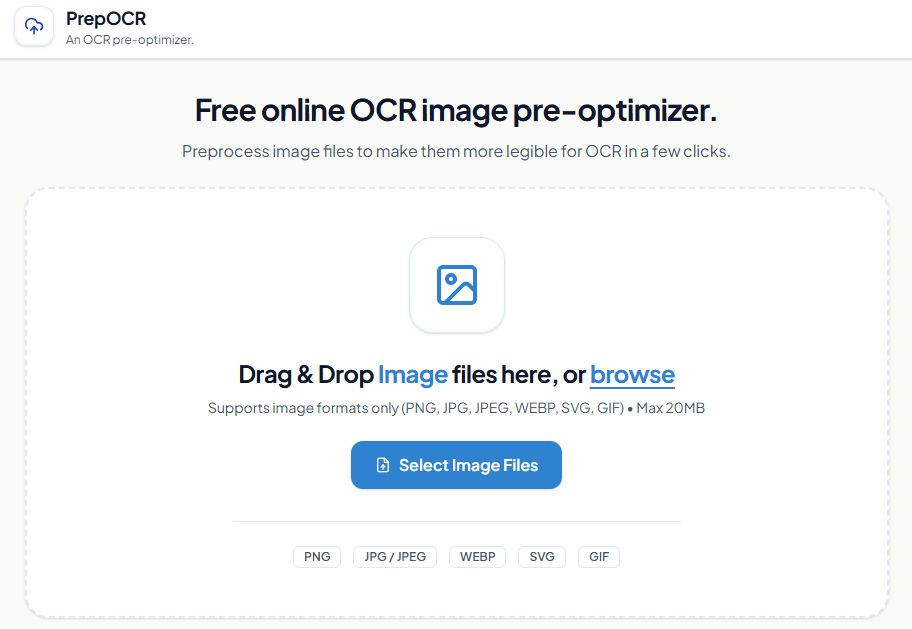
Web app to prep images before OCR processing. Users upload a batch of images and get back a zip with the optimized versions, ready for cleaner text extraction. It uses AssetFLOW, my own library.
Features
- Tilt/deskew correction
- Contrast enhancement
- Threshold and binarization
- Batch upload, zip download
Screenshot
PrepAsset; Image Transformation Toolkit
Context
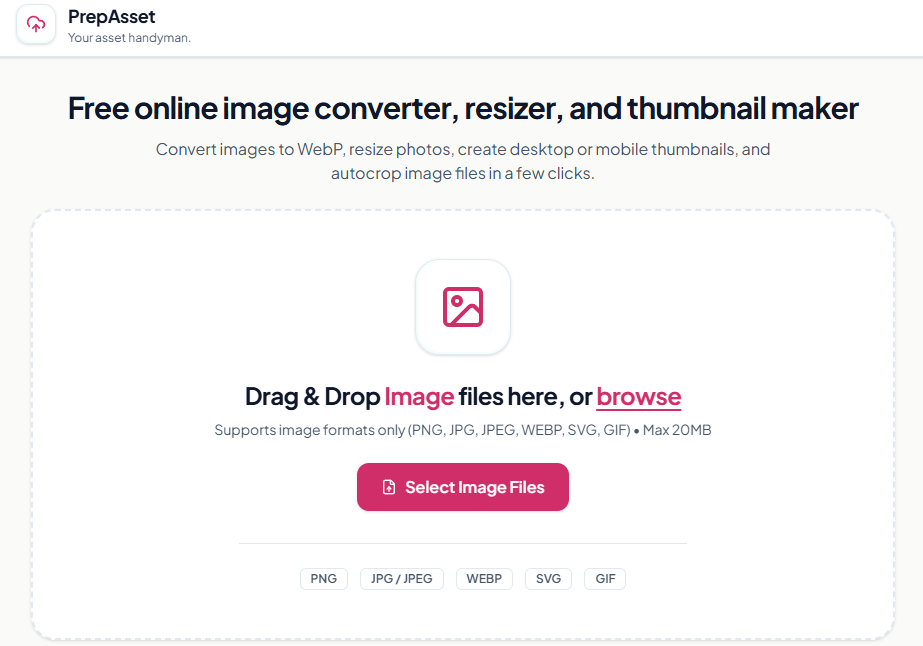
Web app for applying image transformations at scale; resize, thumbnails, WebP conversion, autocrop. Users upload a batch and download a zip with the results. Shares its backend with PrepOCR.
Features
- WebP conversion
- Resize and thumbnail generation
- Autocrop
- Batch upload, zip download
Screenshot
Calculadora de Aguinaldo
Context
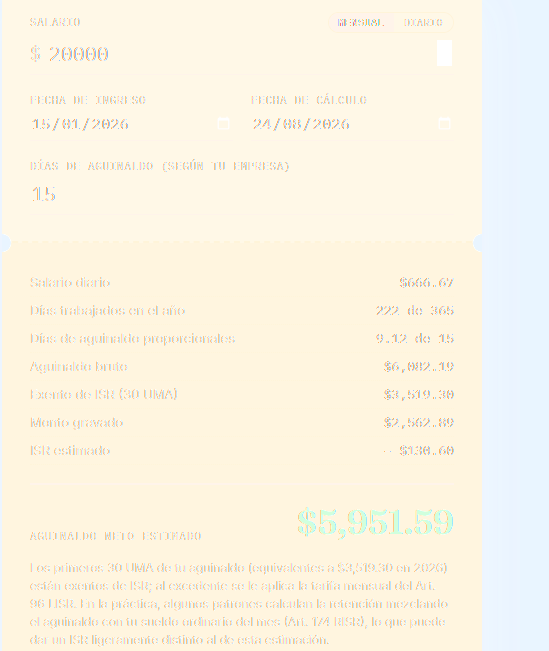
Small SPA to calculate the Mexican year-end bonus (aguinaldo) based on days worked and salary.
Screenshot